How often should you wash your hair? The honest answer annoys people: it depends on the hair, the scalp, and the season. In Lancaster, the season part matters more than most advice admits. A routine that works in January, when the air is dry and you are barely sweating, can fail completely in August humidity, when a scalp feels greasy by the second afternoon.
Scalp oil production, hair texture, and activity level set your baseline frequency. The Piedmont calendar then adjusts it. Fine, straight hair shows oil fast and usually wants more frequent washing. Thick, curly, or coily hair distributes oil slowly along the strand and often does better washed less often, with moisture added between washes.
Finding your baseline
Your scalp is skin, and it behaves like skin. It produces sebum continuously, and that oil travels down the hair shaft. How far and fast it travels depends on texture: quickly along straight hair, slowly around curls. Wash when the scalp feels oily, itchy, or coated, not by a rule copied from someone with different hair. Going too long between washes lets oil, sweat, and product build into flaking and irritation. Washing far more than your scalp needs dries the lengths, especially the ends.
Activity shifts the baseline too. Summer workouts, yard work, and jobs outdoors in South Carolina heat add sweat and grit that a desk worker in January never deals with. Rinsing with water alone, or using conditioner only on the lengths, can handle some of those in-between days without a full shampoo.

The seasons, adjusted
Spring brings pollen, which settles in hair during any time outdoors and is worth rinsing out on high-count days, especially for anyone whose scalp reacts. You may wash a little more often for a few weeks, which is a response to the environment, not a new permanent routine.
Summer is the high-frequency season for almost everyone. Heat, humidity, sweat, sunscreen overspray, and pool or lake water all accumulate. Most people land on more frequent washing, gentler shampoo, and a weekly clarifying wash if they swim. Fall lets the frequency ease back down, and it is a good moment to repair summer dryness with richer conditioning. Winter flips the problem: the scalp can still get oily while the lengths get drier from indoor heat, so the answer is often the same wash frequency with more moisture on the ends, rather than simply washing less.
Seasonal wash checklist
- Spring: rinse or wash after heavy pollen days spent outdoors
- Summer: expect to wash more often; clarify weekly if you swim regularly
- Summer: rinse hair the same day after pool or lake time, never let it dry in
- Fall: drop frequency gradually as humidity falls and add a weekly conditioning mask
- Winter: keep scalp washing steady but concentrate conditioner on the dry lengths
- Year-round: wash when the scalp feels oily or itchy, not by someone else's schedule
- Year-round: if hair feels coated but the scalp is fine, clarify once instead of washing more
The double-cleanse question
Washing twice in one shower is not a gimmick, but it is not always needed either. The first wash loosens oil and product, and the second actually cleans the scalp, which is why a double cleanse makes sense after several days of buildup, heavy styling product, or a clarifying day. On a normal day with a light routine, one thorough wash with fingertips worked across the whole scalp does the job. Judge by how the scalp feels after, not by a fixed rule.
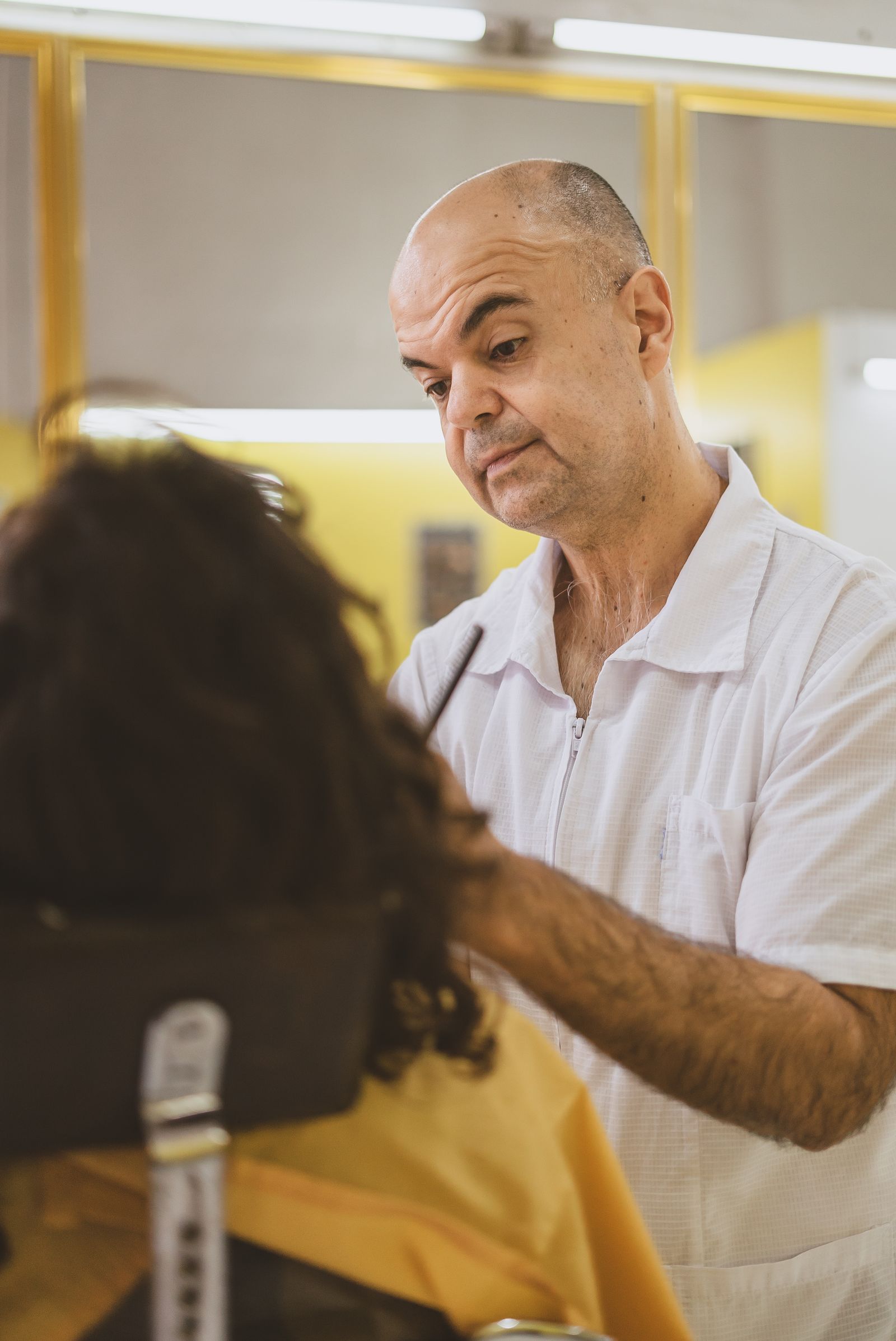
If you are unsure where your frequency should land, ask at your next appointment at Mane Street Hair Designers. A stylist who can feel your scalp and texture will give you a better number than any chart, and you can then adjust it season by season.
A final practical note: change one variable at a time when you adjust your routine. If you switch shampoo, stretch your interval, and add a new styling product in the same week, you will have no idea which change caused the improvement or the new problem. Hair responds over two to three weeks, not two days, so give each adjustment a fair trial before judging it. That patience is what turns random experimenting into a routine that genuinely fits your scalp and your seasons.
Common questions
Can you train your scalp to produce less oil by washing less?
Not in any reliable way. Oil production is driven by hormones and genetics, not by washing habits. Stretching washes may make oil less obvious as styling changes, but the scalp does not learn to produce less.
Is dry shampoo a substitute for washing?
It is a bridge, not a substitute. It absorbs surface oil and buys a day, but it adds its own buildup, so the scalp still needs a real wash on a regular rhythm.
Why does my hair feel dirty faster in summer?
Heat and humidity increase sweat and make sebum spread and show more quickly, and summer adds sunscreen, pollen, and pool residue. Shortening the interval in summer is normal, not a step backward.
Photos in this guide are representative stock images.
← All guides from Mane Street Hair Designers← Back to Mane Street Hair Designers