Every June in Lancaster, the same hair problems walk into salons: blondes turning faintly green, color that was rich in May looking washed out by July, and ends that feel like straw after a few weeks of swim practice. Chlorine gets blamed for all of it, and it deserves some of the blame, but the pattern is usually a chain of small, fixable habits rather than one bad swim.
Troubleshooting pool hair works best in order: name the symptom, find which part of the chain caused it, then fix that link. Most swimmers can solve most of it at home. A few symptoms mean the damage is already done and a salon visit is the honest fix.
Symptom: blonde or light hair turning green
The green tint is not actually the chlorine itself. It is copper and other metals in pool water oxidizing on the hair shaft, and porous, lightened hair absorbs those metals fastest. The more damaged or porous the hair, the stronger the tint. Prevention beats removal: hair that goes into the pool already soaked with clean water absorbs far less pool water, because a strand can only hold so much.
At home, a clarifying shampoo made for swimmers, used promptly after swimming, removes much of the mineral deposit before it builds. If the tint is established and clarifying does not lift it, that is a salon job. Toning over mineral buildup without removing it first gives dull, uneven results.
Symptom: color fading weeks ahead of schedule
Chlorine is a bleach-adjacent chemical, and repeated exposure strips color molecules out of the hair, especially reds and fashion shades. Add South Carolina summer sun on top and fading accelerates. The fix-it chain is boring and effective: wet the hair before swimming, keep it up and out of the water when you are not actually swimming, rinse it as soon as you get out, and wash with a gentle, color-safe shampoo rather than whatever is in the pool shower.

The routine that prevents most of it
- Soak before you swim. Wet your hair completely with clean tap water in the pool shower. Saturated hair takes in far less chlorinated water.
- Add a barrier. Work a leave-in conditioner through the lengths before swimming. It fills some of the porous space and makes the hair less absorbent.
- Contain it. Braid it, bun it, or wear a swim cap. Loose hair tangles in the water and presents maximum surface to the chemicals.
- Rinse immediately after. Do not let pool water dry in the hair while you sit in the sun. That combination, chemicals plus ultraviolet, does the worst of the damage.
- Clarify on a schedule. Use a clarifying or swimmer's shampoo once a week during heavy pool season to strip mineral and chemical buildup before it accumulates.
- Condition deeper than usual. Swap your regular conditioner for a richer mask on clarifying days, focusing on the ends, which are the oldest and driest hair.
- Trim at season's end. Book a trim in late August or September to remove the ends that took the summer's damage before they start splitting upward.
Symptom: dry, tangling, straw-like ends
That texture means the hair's protein and moisture balance is genuinely depleted, not just coated in residue. Clarify once to remove buildup, then judge the hair again. If it still feels rough after clarifying and a deep conditioning treatment, the ends are damaged rather than dirty, and no shampoo will reverse that. The salon fix is a professional conditioning treatment for the lengths that can be saved and a trim for the ends that cannot.
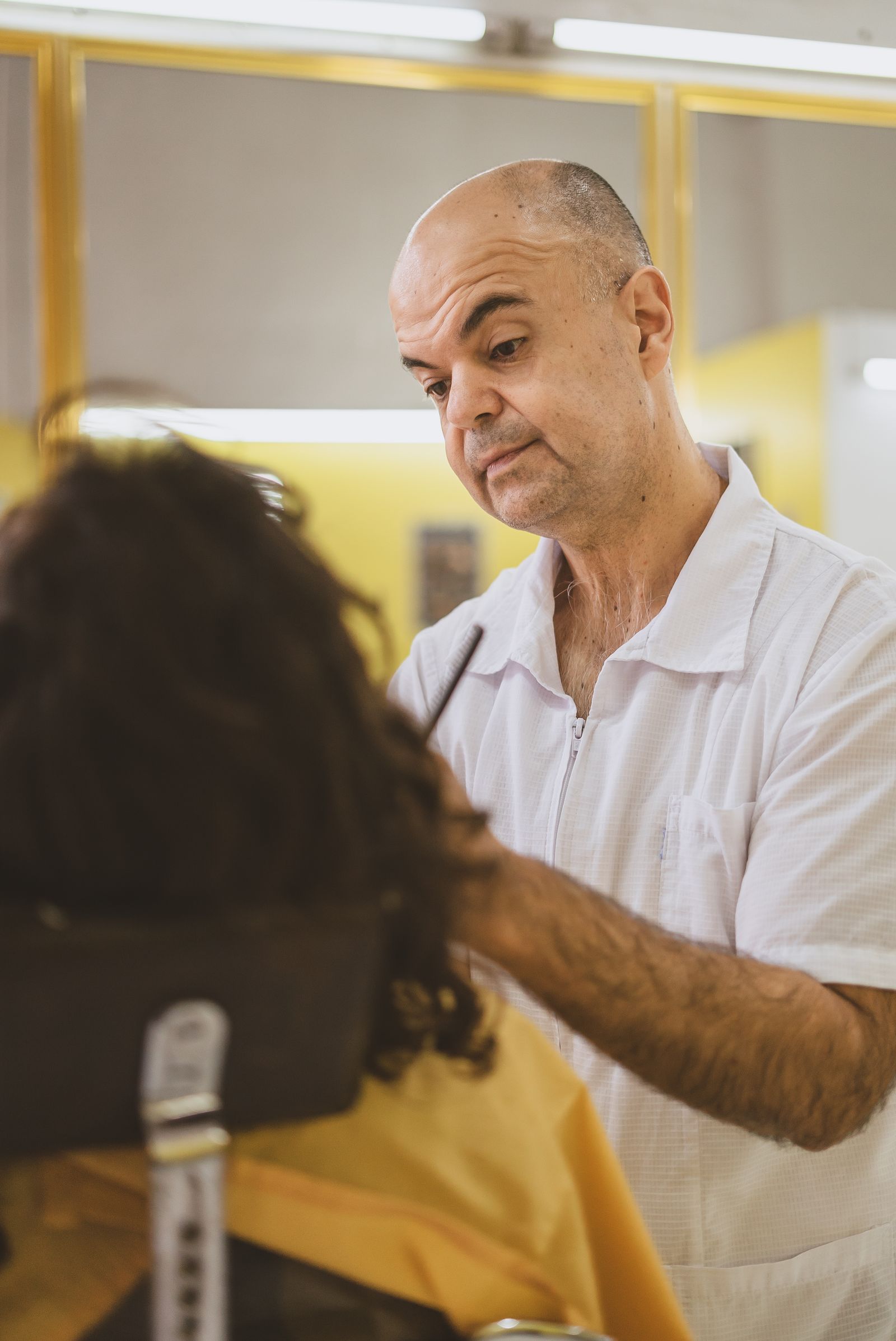
Families in Lancaster who swim all summer at Mane Street Hair Designers often do best with a simple rhythm: prevention at the pool, clarifying at home weekly, and one mid-summer check-in so small problems get fixed while they are still small.
One related habit deserves a mention: the post-swim routine matters most on the days you swim twice or sit in the sun afterward. A quick rinse at the pool shower, before the drive home, does more than a thorough wash hours later, because dried-in pool water plus sunlight is the combination that does the lasting harm. Keep a small bottle of leave-in conditioner in the swim bag and the whole prevention routine travels with you instead of depending on memory at home.
Common questions
Does a swim cap fully protect hair?
No cap is perfectly watertight, but it keeps most water out and stops tangling. Wetting and conditioning the hair before the cap goes on protects what does get in.
How soon after coloring can I swim?
Give fresh color a few days to settle before the first long pool session, and be strict about the wet-before-you-swim routine for the first couple of weeks, when color is most vulnerable.
Is the green tint permanent?
Usually not. It is a mineral deposit sitting on the hair, and clarifying treatments remove most of it. Stubborn cases need a professional demineralizing treatment rather than more home scrubbing.
Photos in this guide are representative stock images.
← All guides from Mane Street Hair Designers← Back to Mane Street Hair Designers