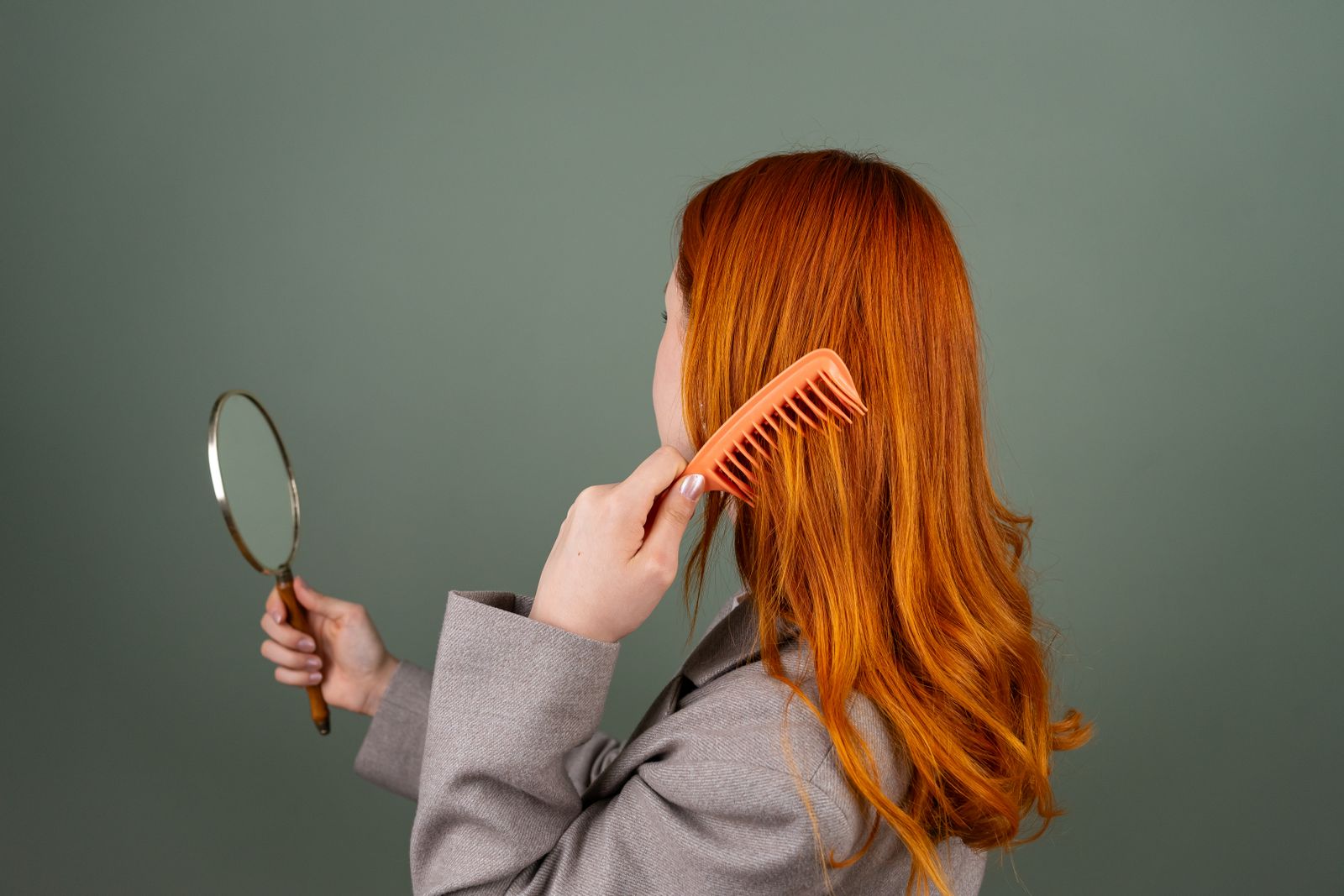
Ask Lancaster clients which color disappointed them fastest and the answer is almost always red. It goes on vivid, photographs beautifully for two weeks, and then quietly turns into a faded, slightly orange version of itself. That is not bad luck or a bad stylist. Red is fighting chemistry that the other colors are not.
The useful question is not how to stop red from fading, because you cannot. It is which fading factors you can actually control, and which habits are worth changing based on how you live, how often you wash, and how much sun and heat your hair gets.
Why red loses the fight
Red color molecules are larger than the molecules used for brown and black shades. Larger molecules sit less deeply in the hair shaft and wash out more readily with every shampoo. They are also more vulnerable to ultraviolet light, which breaks the pigment down between washes. The result is a double leak: color leaves in the shower and degrades in the sun.
Porosity speeds everything up. Hair that has been lightened before coloring, or that is naturally coarse and dry, has a more open surface and holds those big red molecules loosely. This is why the same red formula lasts a month on one head and a fortnight on another.
Choosing your defenses by situation
| Your situation | Biggest fading factor | Best first move |
|---|---|---|
| You wash daily because of work or workouts | Sheer number of washes | Switch to a sulfate-free, color-safe shampoo and rinse with lukewarm rather than hot water |
| You are outside most of the day | Ultraviolet exposure | Hat or UV-protective leave-in product on the lengths; schedule glosses more often in summer |
| Your hair was lightened before going red | Porosity | Add a color-depositing conditioner between appointments to replace what washing removes |
| You heat style several times a week | Heat breaking down pigment | Use heat protectant every time and lower the tool temperature to the effective minimum |
| You swim through the summer | Chlorine and minerals | Wet hair with clean water before swimming and clarify weekly to stop mineral dulling |
The wash decisions that matter most
Water temperature is the cheapest fix available. Hot water opens the hair surface and lets color escape faster, so lukewarm washing genuinely extends red. Sulfates are the next lever. Strong detergents are useful for removing buildup, but used daily they strip color along with the oil. A sulfate-free cleanser for routine washes, with an occasional clarifying wash when hair feels coated, is the standard compromise.
Frequency beats product, though. Every wash removes some red no matter how gentle the shampoo, so stretching even one extra day between washes, using dry shampoo at the roots, does more than any single product swap. Many red wearers find that washing two or three times a week instead of daily changes the fade from fast to manageable.
Salon-side options worth knowing
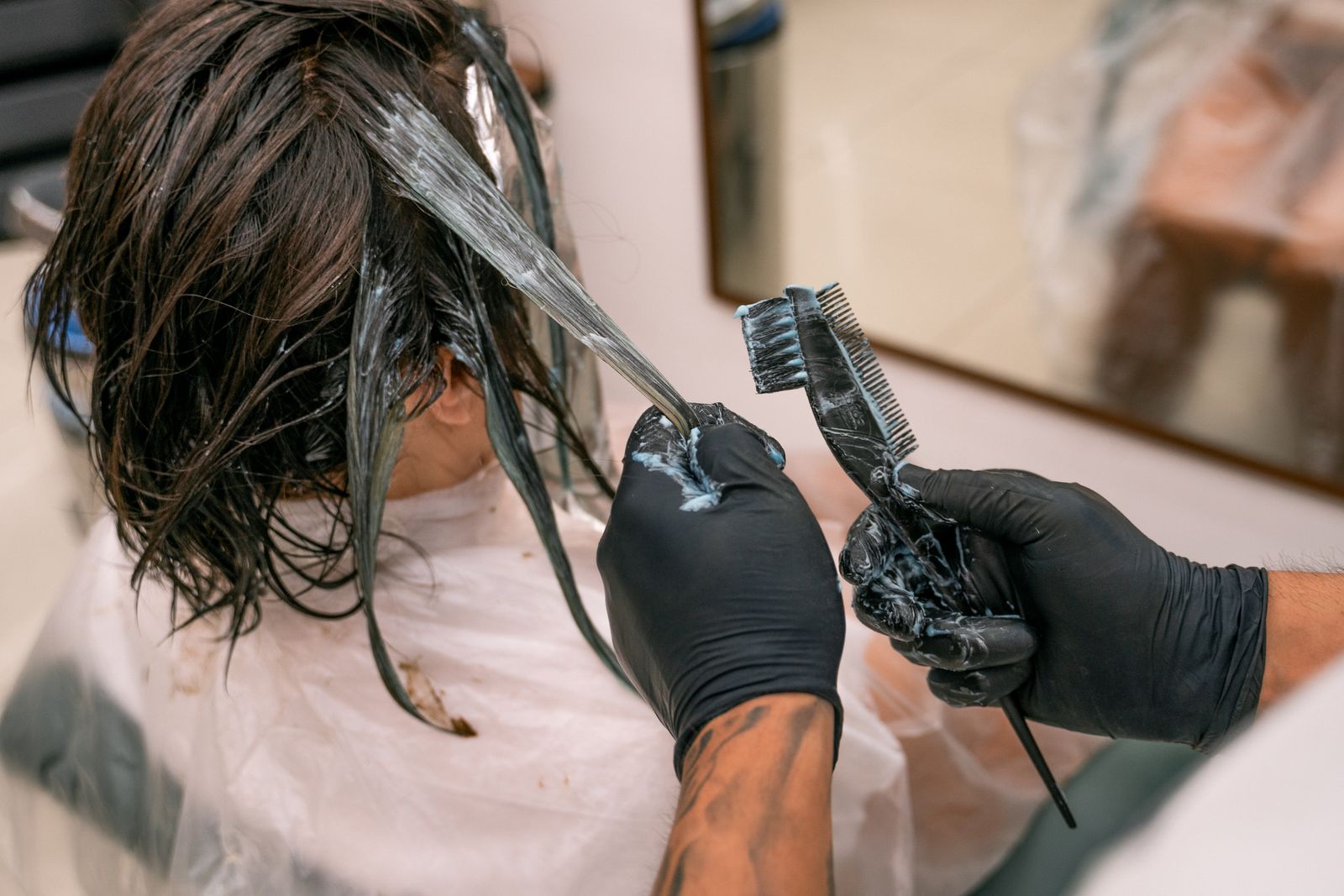
A gloss or toner refresh between full color appointments re-deposits pigment and shine without the time and processing of a complete service. It is the standard maintenance move for reds. Your stylist may also suggest going a shade deeper or richer than your target at the full appointment, so the color fades through your ideal shade on its way down rather than starting there and fading past it.
At Mane Street Hair Designers, the honest pitch for red is this: it is a high-maintenance color that rewards a routine. Build the routine around your actual life in Lancaster, not an ideal one, and red stays worth it.
It also helps to judge red on a realistic curve. Photograph it in the same light on the day of your appointment and again at two and four weeks. Most people discover the fade is slower than it felt, and the photos show exactly where it goes first, usually the ends and the hairline, which tells you and your stylist where to concentrate protection and depositing products. Guessing produces anxiety. A simple photo record produces a maintenance plan you can actually adjust.
Common questions
Does cold water really help, or is that a myth?
It helps, modestly. Cooler water keeps the hair surface less swollen, so less pigment escapes per wash. Lukewarm is a realistic compromise; icy rinses are not required.
Will a color-depositing conditioner change my shade?
Used in a matching tone, it refreshes the existing shade and replaces faded pigment. Used in a stronger tone than your color, it can deepen it, so match the product to your formula or ask your stylist first.
How often does red need a salon refresh?
Most reds want a gloss or full refresh noticeably sooner than browns, often within several weeks for vibrancy. Your wash frequency and sun exposure decide whether you land at the short or long end.
Photos in this guide are representative stock images.
← All guides from Mane Street Hair Designers← Back to Mane Street Hair Designers